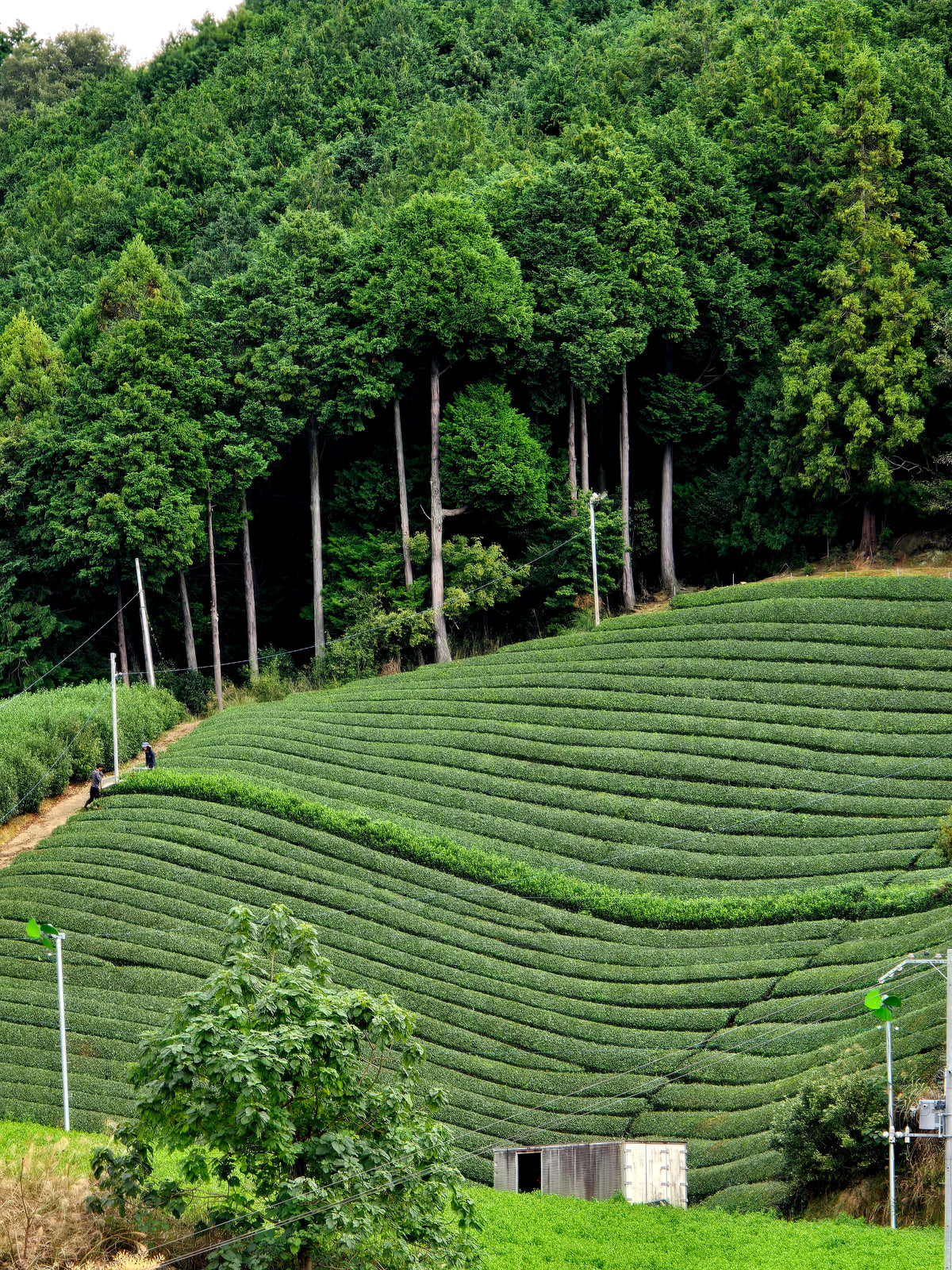
SUN-GROWN GREEN TEA

Sencha

This sencha offers a clean freshness, vegetal notes and a balance that are typical of sencha, the reference among Japanese green teas. It is made from Yabukita, the most widely grown tea plant in Japan, and produced by Azuma Tea Garden in Kyoto Prefecture.

Cultivar
Yabukita
Mode de culture
No pesticides or chemical fertilisers
Harvest
Spring 2026
Weight
€10,00 50 grams · Taxes incluses

Understanding the tea

What is sencha?

Sencha is one of the main Japanese green teas. Generally grown in full sunlight, its leaves are steamed after harvest, then rolled and dried. Its profile combines vegetal notes, umami and bitterness, with varying degrees of astringency depending on the tea and how it is prepared.

Green tea is naturally rich in antioxidants, particularly catechins. These substances help protect our cells against damage caused by free radicals, which contribute to cellular ageing. They may also support the proper functioning of our immune system and the body’s natural defences.

Brewing

Brewed well,
enjoyed more.

Japanese tea is usually brewed in small amounts, over several infusions with the same leaves.

When an infusion is ready, empty the teapot completely into the cups or a jug each time. The leaves no longer sit in water and are ready for the next infusion.

How to brew

Sencha

FULL-SUN GREEN TEA

Water
60 to 70 °C
Time
~60 sec
Dosage
3 to 5 gfor 100 ml

Keep the ratio: 6 à 10 g for 200 ml · 9 à 15 g for 300 ml

And then

Subsequent infusions

Keep the leaves from the previous infusion. Use water slightly hotter than for the previous infusion.

+5 to 10 °C10 to 20 sec

Use soft water

Low-mineral water, spring or filtered, preserves the finesse of the aromas. Hard water flattens the umami and sharpens the astringency.

Storing your tea

Keep your tea in an airtight container, away from light, strong odours and moisture.

The cultivar

Yabukita.

A reference point for Japanese tea

Yabukita is the most widely grown variety of tea plant in Japan. Versatile, it is used to produce different types of tea. Its expression in the cup varies with the growing location, harvest and processing of the leaves: the same cultivar can therefore produce teas with very different characters.

The producer

Azuma Tea Garden.

Wazuka, Kyoto

Azuma Tea Garden
“We don’t make tea that we wouldn’t want to drink ourselves.”

Azuma Tea Garden is a family-run tea farm in the mountains of Wazuka. The Azuma family has grown tea for four generations and works with several Japanese cultivars, including Yabukita, Samidori, Asahi, Gokou and Okumidori.

The farm says it favours organic fertilisers over synthetic chemical fertilisers and does not use pesticides in its fields.

ASADORI has selected Sencha and Matcha from Azuma Tea Garden.

Wazuka

The origin

Wazuka.

Wazuka, Kyoto Prefecture, Japan

Wazuka lies in the south of Kyoto Prefecture, Japan. It is an important area for the production of Uji tea, whose origin extends beyond the city of Uji.

On its hills, cultivars, growing methods and leaf processing give rise to teas with varied characters. This is where ASADORI chose the teas for its first selection.

Récolte
Spring 2026